Braking News · Collecting
Attention Young People of Earth! If You Start Collecting Model Cars, Where Would You Start?
A reader once asked us, with the wounded sincerity only a teenager can produce: “If I start collecting model cars, where would I even start?” Excellent question. The hobby looks bottomless from outside — scales, brands, eras, price tags running from pocket money to mortgage payment. Here is the roadmap we wish someone had handed us.
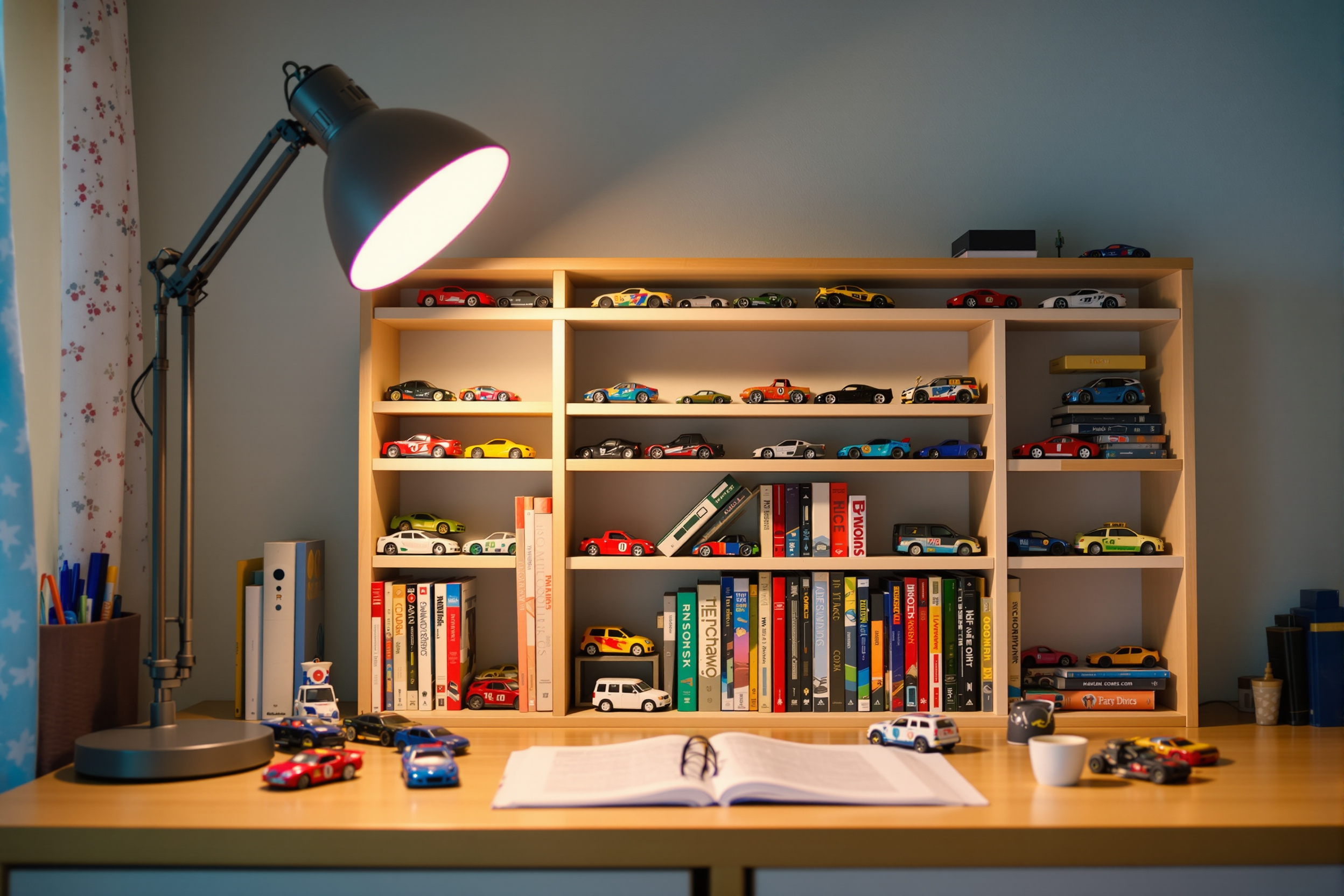
Rule One: Collect What You Love
Not what might appreciate. Not what a forum says is hot. The collections that last — and oddly, the ones that end up valuable — are built around genuine affection: one marque, one racing era, one movie, one country’s design school. A focused shelf of twenty cars you adore beats two hundred random ones every time, both visually and financially.
Understand the Scales
- 1:64 — pocket-money territory. Perfect for learning what you actually like, with zero financial risk. Many lifelong collectors never leave it, happily.
- 1:43 — the classic collector scale, dominant in Europe for generations. Huge subject variety, shelf-friendly size, and the entry point to hand-built territory.
- 1:24 and 1:18 — display scales. Opening doors, detailed engines, real presence on a shelf. Prices climb accordingly.
- Larger and stranger — 1:12, 1:8 and beyond are commitment scales: stunning, expensive, and they eat real estate.
Condition, Boxes and Patience
Three habits separate happy collectors from frustrated ones. Keep the boxes — collectors pay meaningfully more for boxed examples, and boxes are the first thing beginners throw away. Inspect before buying — metal fatigue, paint bubbling and missing mirrors hide in online photos. Buy slower than you want to — the second-best cure for a collecting mistake is patience; the best is not making it.
Budgeting and the Hunt
Set a monthly number and make scarcity part of the fun — constraint is the best curator a young collection can have. Then learn the hunting grounds in ascending order of danger: big-box pegs for current releases, swap meets and toy shows for honest mid-range finds, estate sales for the occasional miracle, and online auctions last, after you can grade condition from photographs. Two warnings earned the hard way: shipping kills more models than children do (ask how it will be packed), and fakes exist at the collectible end — reboxed cars, swapped wheels, reproduction boxes. Buy the seller as much as the model.
Where the Hobby Leads
Start cheap and curious, and the hobby opens doors you can’t see yet: hand-built white-metal miniatures of coachbuilt classics, models researched from period factory drawings, even miniature photography good enough to fool magazine editors. Museums take this stuff seriously too — institutions like The Henry Ford preserve toys and models as genuine artifacts of design history, which is a fine thing to remember next time someone calls your shelf “toys.”
Mostly, though: start now. Every collector we have ever interviewed says the same two things — they wish they had started earlier, and they wish they had kept the boxes.