The Collections
The Art Collection: Automotive Fine Art
Automotive fine art is exactly what it sounds like and much harder than it looks: paintings and prints that treat the automobile as a subject worthy of serious art — because it is one. This guide covers lessons from our gallery years: the subjects, the styles, the print types and how to choose well.
The Subjects
The field organizes naturally around the machines that inspire it. Coachbuilt classics — the French and Italian masterpieces of the 1930s — dominate the top of the market (see our case study, the Delahayes). Racing moments follow close behind: period Grand Prix duels, endurance racing at dawn, the human drama of the pits. Sports and super cars bring the field forward to the present, and motorcycles — classic roadsters, cruisers, cafe racers — have a devoted following all their own.
The Styles
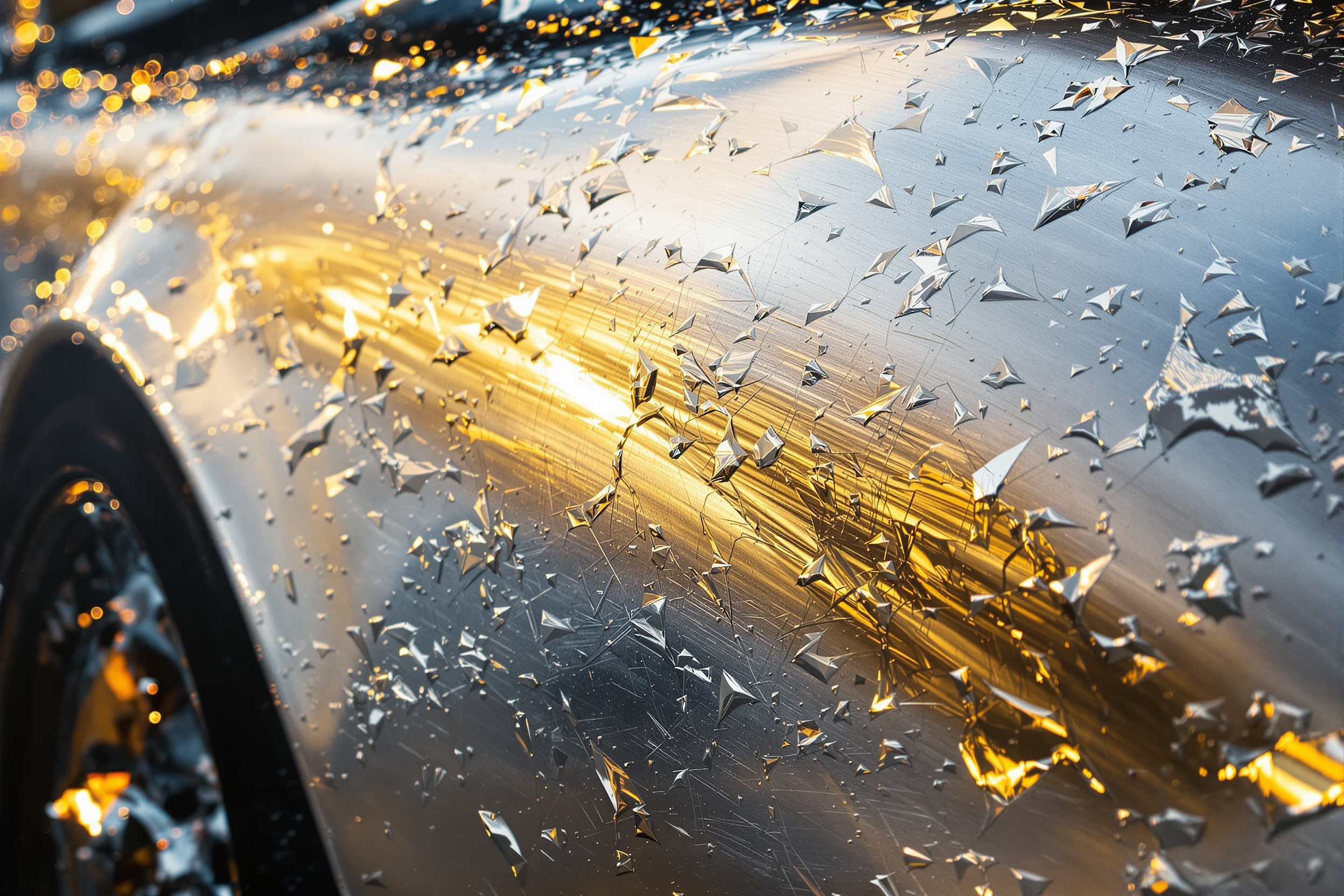
Automotive artists work the full range from photorealism — technically astonishing, every reflection mapped — to impressionism, which sacrifices detail to capture how a machine feels in motion. Between them sit the theatrical narrative painters, who stage cars in cinematic settings, and the detail painters, who crop tight to a headlamp or fender curve and let the part speak for the whole. None of these is “best”; the right style is the one that stops you mid-stride.
Originals, Lithographs and Giclées
Original canvases by leading automotive artists command gallery prices, but the print market makes the field accessible. Offset lithographs — the longtime standard for fine reproduction — and modern giclée prints on paper or canvas put museum-quality images within most budgets. The crucial vocabulary: signed and numbered limited editions carry collector value; open editions are decorative. Our FAQs explain both processes and how dimensions are measured.
Choosing Well
- Buy the image, not the car. A mediocre painting of your favorite car will disappoint you within a year; a great painting of a car you barely knew will keep revealing itself.
- Scale to the wall. Automotive art tends to read best large — a small print of a dramatic composition wastes the drama.
- Think in rooms. Den, office, garage lounge: the racing scene that energizes a workspace can overpower a dining room.
- Meet the field. The juried artists of the Automotive Fine Arts Society exhibit at major concours events — the best single place to calibrate your eye is a concours art exhibition.
Starting a Collection on a Budget
The field is friendlier to modest budgets than its auction headlines suggest. Open-edition prints of strong images cost less than a tank of premium; signed limited editions from mid-career artists sit in the low hundreds; and artist studies — the preparatory sketches behind major canvases — offer original work at print prices for collectors willing to ask. Buy one good thing a year rather than four forgettable ones, frame it properly the first time, and keep every receipt and certificate in one folder. Ten years of that discipline produces a wall that looks curated, because it was.
However you enter the field — print, commission or original — the test never changes: does it make you stop and look, again, on an ordinary Tuesday? That’s the whole game. For posters and graphic art of the racing golden age, continue to the vintage poster guide.